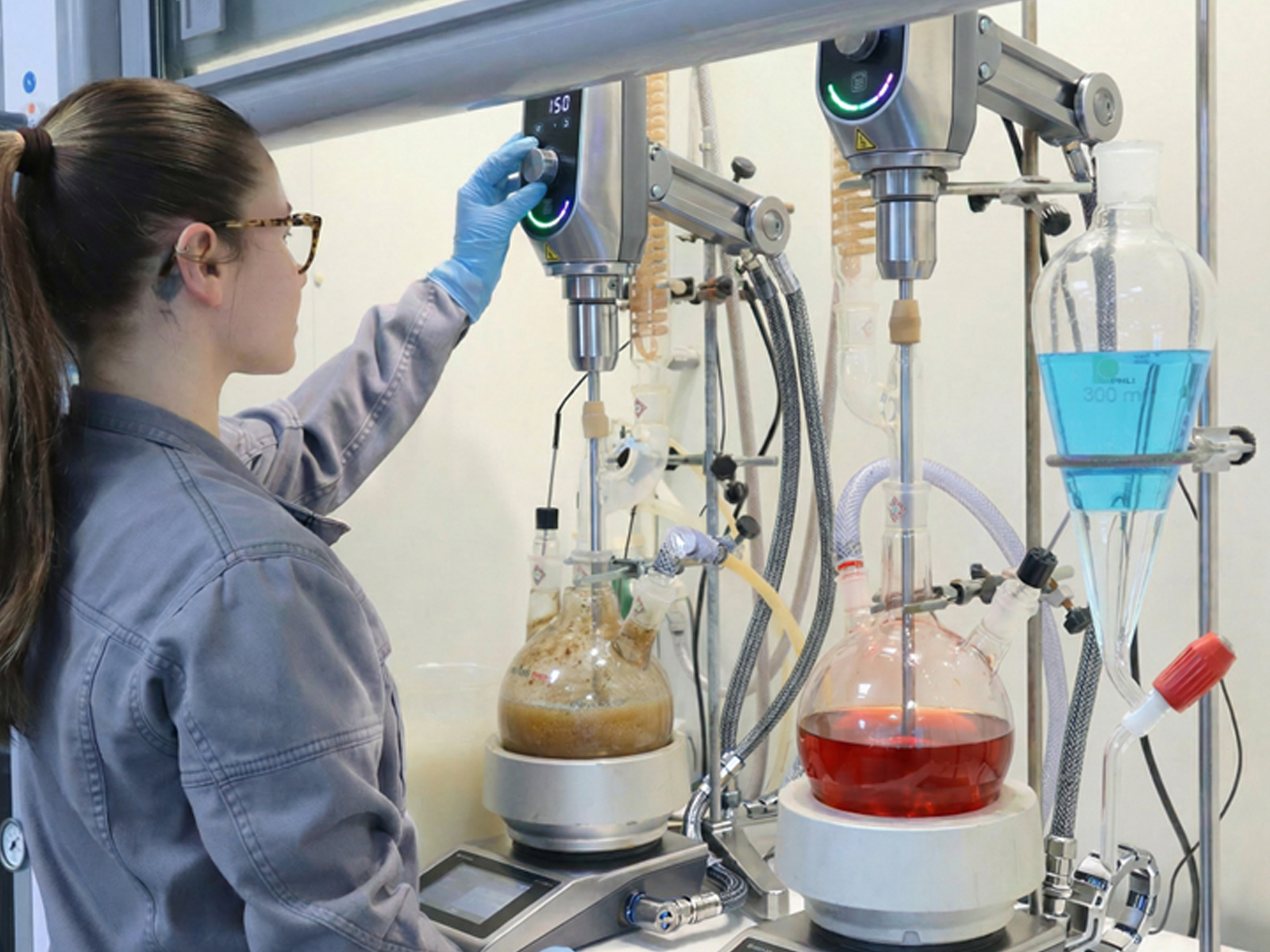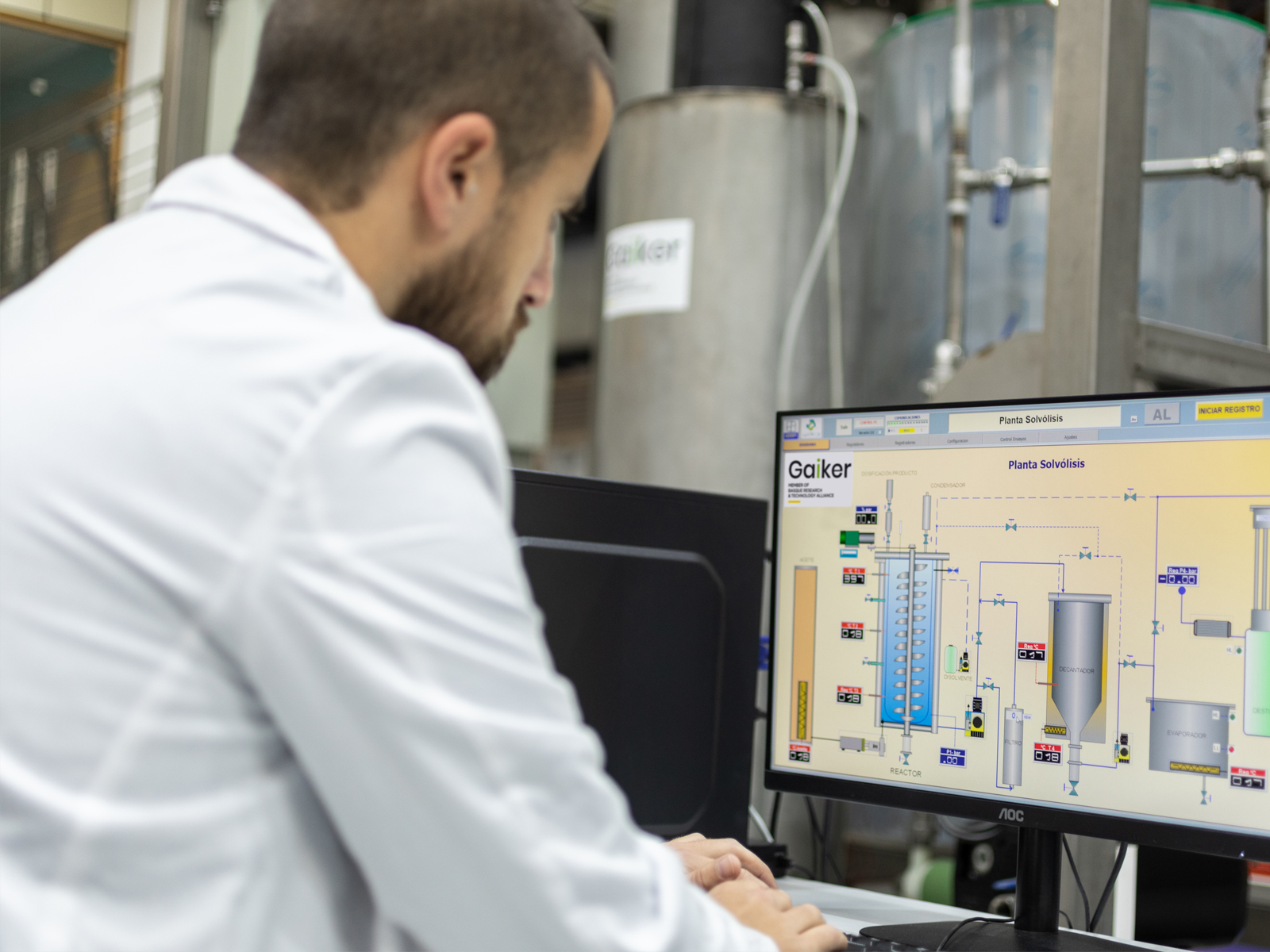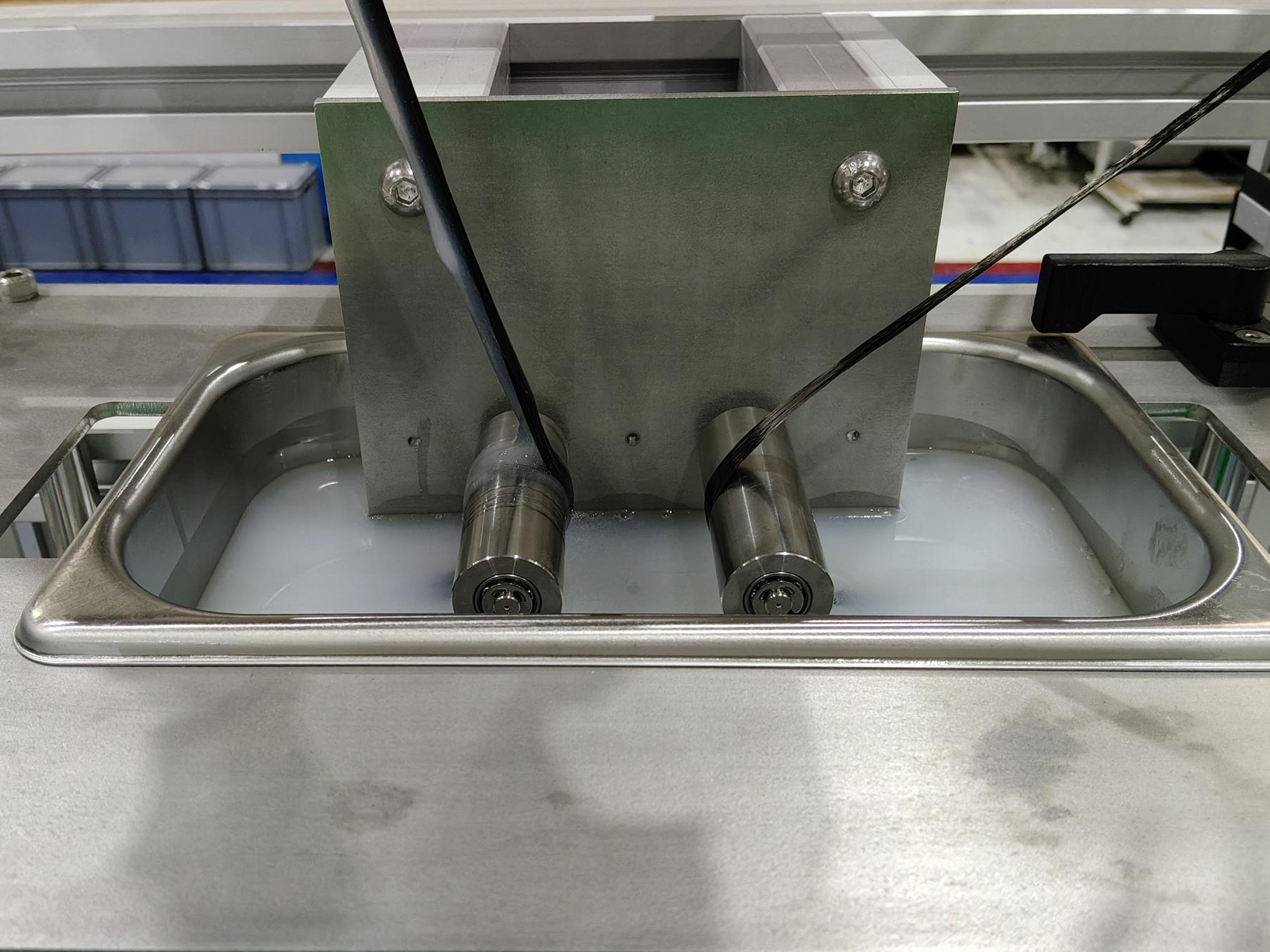
The RESITES project, coordinated by GAIKER, will enable new recyclable composites to be generated in order to efficiently make lightweight, resistant and sustainable products.
The GAIKER Technology Centre, a member of the Basque Research & Technology Alliance (BRTA), is coordinating the RESITES project (Recovery of recycled carbon and glass fibres in new recyclable composites), a strategic initiative aimed at researching the optimal reuse of recycled carbon and glass fibres from production waste and scrap. The aim is to improve their properties in order to generate new recyclable composites, modelling their performance and processability to efficiently make lightweight, resistant and sustainable products.
A large amount of composite waste accumulates each year from production scrap and end-of-life items. Although there have been significant advances in composite recycling technologies in recent years, the effective reuse of recovered fibres remains a challenge. In this context, RESITES proposes an innovative approach by investigating a new generation of high performance recyclable composites based on recovered recycled fibre and recyclable resins.
Funded by the Basque Government as part of its ELKARTEK 2025 aid programme for collaborative research in strategic areas, this project will provide solutions in technologies for the functionalising, sizing and hybridising of recycled reinforcements for their recovery, formulation of prepregs, recyclable composites and additive manufacturing materials, as well as the modelling of materials and processes.
As a result of this initiative, different experimental developments of recovered glass and carbon fibres, thermoplastic organosheets, recyclable thermoplastic and thermoset SMC and 3D printing pellets/filaments are expected to be obtained at a laboratory scale. Models will also be developed to predict the behaviour and processability of recyclable prepregs reinforced with recycled fibres.
The GAIKER Technology Centre, an expert in the development of sustainable polymeric materials with improved functional and structural performance, as well as coordinating the project, is participating in several of its lines of work:
- Comprehensive recovery of recycled carbon and glass fibres through the development of sustainable composite materials and advanced processing techniques. Research is being carried out on the chemical treatment and dosage of short fibres in products such as SMC, GMT and non-woven fabrics, as well as the optimisation of these fabrics through oriented reinforcements and hybrid lamination.
- Development of reactive (reprocessable) thermoplastic resin prepregs.
- Study of mechanical and chemical recycling methods to ensure full circularity of the new materials developed.
Application of the advances of this project will have a particularly relevant impact on sectors such as mobility (automotive, railway, aeronautics and maritime), energy, sport and construction, all of which are significant in the Basque industry and economy. They are also areas in which industries linked to the processing of composites play a key role.

Subsidised by the Basque Government