

The aim is to develop a new, efficient, sustainable, technologically advanced circular value chain, geared towards recovering critical, strategic raw materials (CRMs) in a targeted manner. These CRMs can be found in post-consumer waste and the streams resulting from processing it, such as photovoltaic and hybrid panels, printed circuit boards (PCBs), end-of-life vehicle (ELV) fluff, steel mill tailings and other complex industrial solid waste materials. SERVET will focus on recovering key, strategic raw materials such as copper (Cu), silicon (Si), tantalum (Ta) and niobium (Nb), materials that are essential for critical sectors such as the energy transition, digitalisation, and the automotive and electronics industries.

Subsidised by the CDTI and supported by the Ministry of Science, Innovation and Universities

The aim is to structure a circular textile value chain on a cross-border scale, by organising the collection, reuse and recycling chains for textile waste in the POCTEFA territory. It also includes an awareness-raising and training component for local actors and the public in order to support the transition towards more sustainable practices. The project is based on the cooperation of 11 partners to strengthen territorial synergies.
This project is 65% co-financed by the European Union as part of the Interreg VI-A – Spain-France-Andorra programme (POCTEFA 2021-2027), which is aimed at strengthening the economic and social integration of the cross-border area.


The aim is to boost the effective circular economy of composite materials and of complex plastics in particular.
Leader: GAIKER


The objective is to develop artificial intelligence-based technologies to identify, sort and recover valuable metals in the recycling process of the new generation of end-of-life vehicles (ELVs).
Subsidised by the Basque Government.

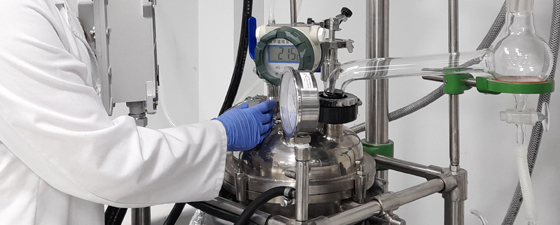
The objective is to complete industrial research in order to develop chemical recycling technologies by solvolysis and selective dissolution that treat complex plastic waste, such as multilayer plastics, textiles mixed with natural and synthetic fibres or composites reinforced with glass or carbon fibres, to obtain value-added products, such as plastics, monomers or fibres.
Leader: GAIKER

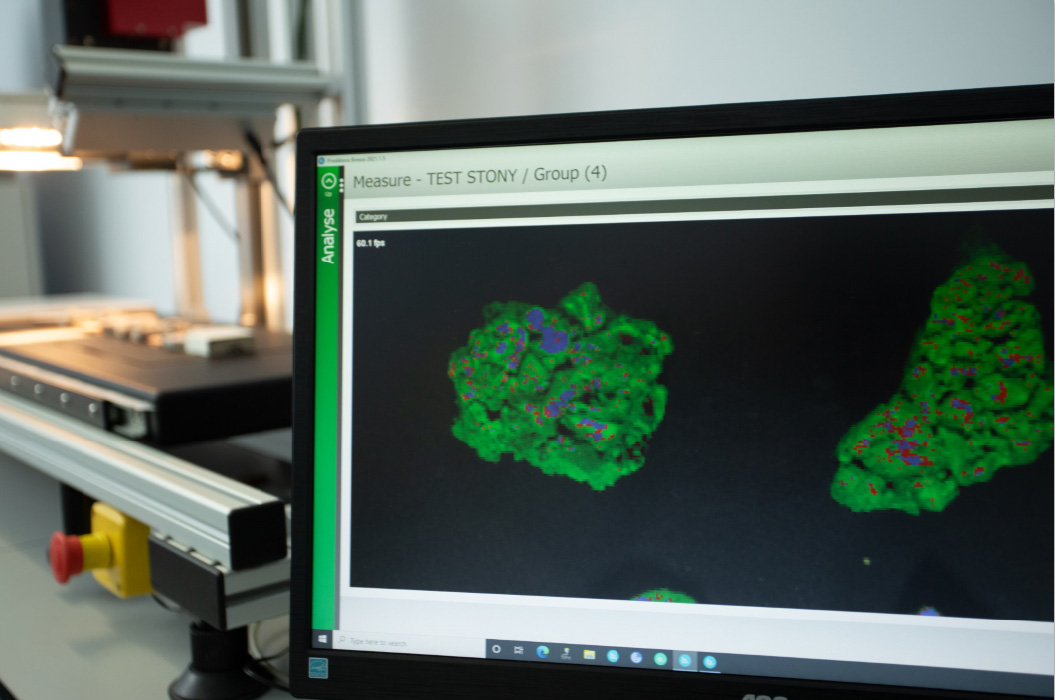
Design, development and evaluation of a prototype for automatically identifying and sorting plastic waste, with brominated flame retardants based on laser-induced breakdown spectroscopy (LIBS) applied to plastics from WEEE, CDW and aviation, developing recycled plastic formulations and demonstrating their validity in high value applications.

 |
This project received funding from the European Commission's Horizon 2020 research and development programme under contract number 869336. |
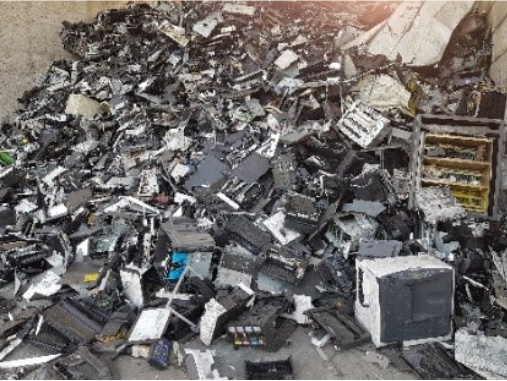
The project is based on designing a pre-treatment process, sorting the plastic waste in the WEEE stream, and separating high impact polystyrene (HIPS) and acrylonitrile–butadienestyrene (ABS) from WEEE for further purification and recovery of additives.

 |
This project received funding from the European Commission's Horizon 2020 research and development programme under contract number 821087 |
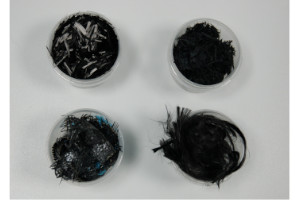
GAIKER is involved in developing the solvolysis chemical recycling process and scaling it up, and in constructing parts made of carbon fibre from recycled material or from reusing uncured pre-impregnated offcuts by moulding them.


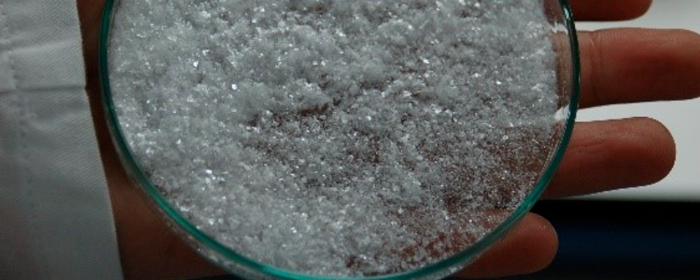
Developing knowledge and technology that will enable the industrial fabric to make sustainable use of plastic waste, thereby closing the life cycle of these resources. Research is ongoing on obtaining raw materials for industry using chemical (solvolysis) and thermochemical (pyrolysis and gasification) processes capable of converting plastic waste into substances that enable new plastics to be obtained.
Subsidised by the Basque Government

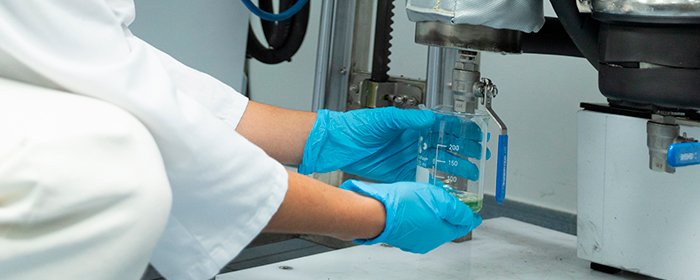
Development of cost-effective, sustainable chemical recycling alternatives with scalable potential, eco-design of alternative synthesis strategies to produce polymers that can be recycled and reused, evaluation of upcycling and development of predictive models.

