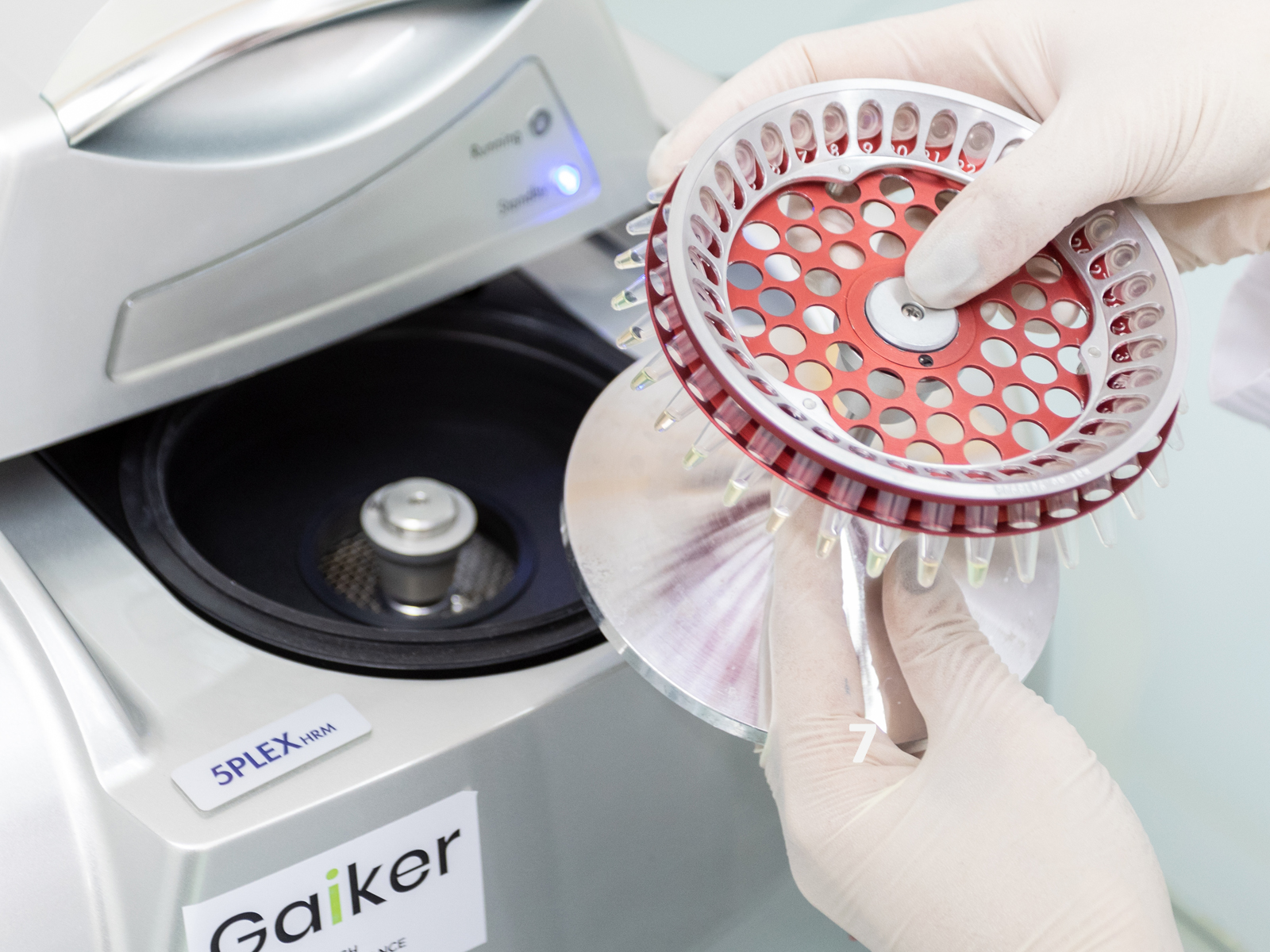
GAIKER is involved in the SMARTµS project, which will develop electrochemical sensors based on advanced genetic detection techniques to identify bacteria and their antibiotic resistance genes.
The GAIKER Technology Centre, a member of the Basque Research & Technology Alliance (BRTA), is working on the SMARTµS project (Smart sensing through micro- and nanotechnologies in industrial environments).
This project tackles different scientific-technological challenges linked to manufacturing microsystems aimed at increasing their application in Industry 4.0. Its aim is to generate knowledge on developing measurement and transduction principles that will ensure detection with high sensitivity and specificity, based on various physical principles. To do so, it will integrate micro- and nanostructures with different functionalities into the transducer, which will be created by advanced micro and nanofabrication technologies.
GAIKER has a wealth of experience in biotechnology (biodetection and biomedicine), nanotechnology and advanced materials, with applications for environmental sustainability, the agri-food sector and health. In the SMARTµS framework, it is leading task 2, which focuses on developing electrochemical sensors for detecting bacteria (Staphylococcus aureus, and methicillin-resistant strains (MRSA), Listeria monocytogenes and Legionella spp.) by combining LAMP gene amplification and CRISPR-Cas technology. This approach is particularly important, as there are currently no sensors based on the technologies proposed for detecting these pathogens.
The sensors developed will primarily be applied in agri-food production (dairy industry, meat and fish processing, beverages, among others), and in promoting technology-based companies with expertise in microfluidics applied to in vitro diagnostics (IVD), biofunctionalisation of surfaces and flexible electrochemistry, among other strategic sectors.
The SMARTµS project is being carried out by GAIKER and seven other partners of the Basque Science and Technology Network, including the TEKNIKER Foundation (leader of the consortium), Mondragon Goi Eskola Politeknikoa (Fluid Mechanics Group) and the University of the Basque Country (Innovative Macromolecular Group, Dept. of Physical Chemistry). The project was launched last May, will last twenty months and is funded by the Basque Government through the ELKARTEK programme, which promotes collaborative research in strategic areas.

Subsidised by the Basque Government